WHY IT'S IMPORTANT:
Water does not fail a building in one place. It finds the ledger, the stucco crack, the clogged area drain, the unflashed window head, the cold joint in a basement wall—and then it travels. Professional waterproofing is the practice of keeping moisture out of the assembly and moving it off the property. A waterproofing inspection is how you find the path before the path finds the framing.
In the Oakland and Pasadena climates Karl Kardel Company works in, that means wind-driven rain, long wet winters, fog, irrigation overspray, hillside drainage, and older stucco and wood-frame walls that were never detailed for today’s expectations. Coatings alone are not a system. Neither is a French drain with no place for the water to go.
Below are the elements that separate lasting waterproofing from a surface that looks dry for one season.
1) Correct diagnosis: source, path, and destination
What it is: A waterproofing inspection that maps where water originates (roof, deck, grade, irrigation, groundwater, interior humidity), the route it takes through flashings, cracks, and cavities, and where it finally shows up (stain, rot, efflorescence, standing water).
Why it matters: Treating the stain on the ceiling does not stop the leak at the balcony door. If you waterproof the wrong plane, you trap moisture behind a new coating and accelerate decay. Diagnosis first is what keeps repair money on the actual defect.
2) The building as one envelope (roof, walls, openings, decks, grade)
What it is: Reading the house or multifamily building as a continuous skin: roof-to-wall, wall-to-window, wall-to-deck, deck-to-grade, and foundation-to-soil—not as isolated “painting,” “roofing,” and “drainage” jobs.
Why it matters: Most chronic leaks sit on a joint between trades. A new deck membrane that dies into failed stucco, or new paint over an unflashed window, will leak on schedule. Envelope thinking is why waterproofing, exterior wall protection, and drainage belong on the same scope.
3) Exterior wall protection (cladding, paper, drainage plane, and flashings)
What it is: Weather-resistive barriers, lath and stucco or siding details, through-wall and head/sill flashings, weep screeds, sealant joints that can move, and coatings that breathe or shed as the wall type requires.
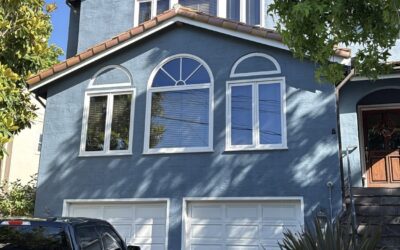
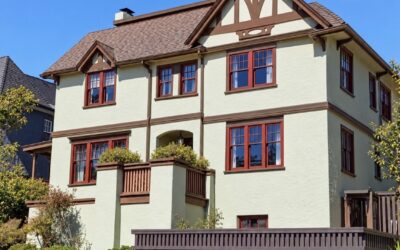
Why it matters: Walls take more weather than most owners realize. In Bay Area stucco and wood-frame construction, water that gets behind the finish must have a drainage plane and a way out. Sealing the face shut without fixing flashings drives moisture into the studs.
4) Flashing at every concentration point
What it is: Metal or compatible membrane flashing at ledgers, parapets, window and door heads, deck-to-wall intersections, post penetrations, scuppers, and roof-to-wall transitions—lapped shingle-fashion so water is kicked out, not into the cavity.
Why it matters: Flashings are the cheapest insurance in the building and the first thing that is skipped. Karl Kardel’s deck work has long emphasized through-wall metal at the ledger for this reason: when you build or coat a deck, you own the wall above it and the wall below it.
5) Deck, balcony, and walking-surface membranes
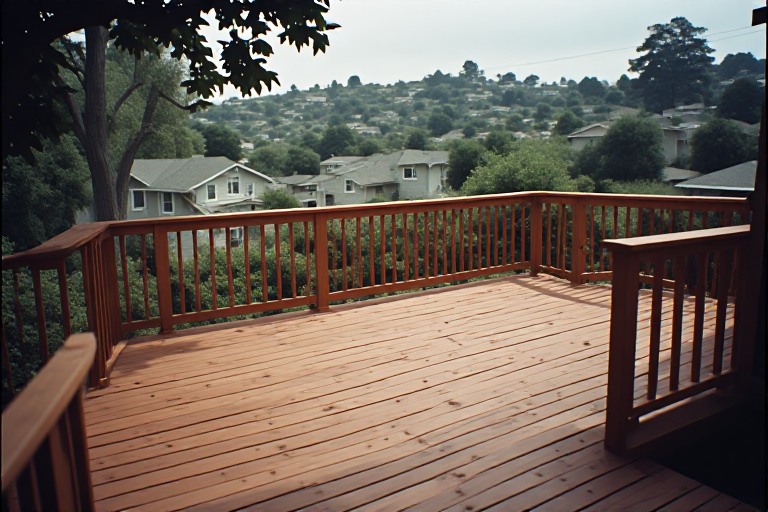
What it is: A waterproofing inspection and installation that checks substrate condition (plywood compatibility, slope, dry joints), then applies a system suited to the use—elastomeric coatings, urethane or rubberized-asphalt membranes, sheet systems—with base, reinforcing, and wear coats where traffic demands it.
Why it matters: Elevated walking surfaces fail from ponding, failed laps, and walls that dump water onto an unflashed edge. A membrane that cannot move with the structure, or that is applied over wet or incompatible plywood, will crack and send water into the joists. This is the same risk SB721 inspections are written to catch.
6) Below-grade waterproofing (foundations, basements, crawl spaces)
What it is: Positive-side or appropriate below-grade membranes, drainage boards, protection layers, sealed penetrations, and interior vapor control only where the exterior strategy is already correct.
Why it matters: Groundwater and hillside flow do not care about interior paint. A dry basement is a drainage problem and a membrane problem. Coating the inside of a wet wall without relieving hydrostatic pressure peels the coating and leaves the concrete saturated.
7) Drainage solutions that actually discharge
What it is: Site and building drainage designed as a path: slope away from walls, area drains and trench drains that are sized and accessible, leader/downspout discharge off the foundation, footing or French drains with filter fabric and a legal outlet, and deck drains/scuppers that do not dump against stucco.
Why it matters: Waterproofing without drainage is a dam. Water that has nowhere to go will find a crack. Clogged drains, downspouts that empty at the stem wall, and flat planters against the house are among the most common “mystery leaks” in Oakland and the East Bay.
8) Compatible materials and climate-rated systems
What it is: Matching membranes, coatings, metals, sealants, and lumber or concrete substrates so they do not corrode, delaminate, or trap vapor. Using systems rated for UV, ponding (where allowed), foot traffic, and the temperature swings of Northern and Southern California exposures.
Why it matters: A deck is a system; so is a wall. Incompatible metals stain and eat fasteners. A vapor-tight coating on a damp historic wall can blister. Product choice is not brand preference—it is chemistry and exposure.
9) Workmanship at cuts, terminations, and repairs
What it is: Clean substrate prep, correct film thickness or sheet laps, sealed penetrations, protected end grain and cut edges, tooled sealant joints with proper width-to-depth, and terminations that can be inspected later.
Why it matters: Waterproofing fails at edges more often than in the field. Overdriven fasteners, thin coating at a corner, and a membrane that stops short of the flashing are inspection findings waiting to become leaks. Quality installation is what turns a specified system into a dry building.
10) Inspection, documentation, and a maintenance path
What it is: A waterproofing inspection that records conditions with photos, identifies immediate leaks versus deferred risk, recommends drainage and wall repairs in priority order, and leaves the owner a plan: clean drains, recaulk cycles, recoating windows, and access to look at ledgers and weeps again.
Why it matters: Coatings and drains are not “set and forget.” Leaves block scuppers; sealant ages; stucco cracks. If the assembly cannot be inspected—or if no one owns the maintenance—the first small failure becomes framing replacement. For multifamily properties, this record also supports SB721 / SB326 files when elevated elements are involved.