Repellat laborum.
Ut.



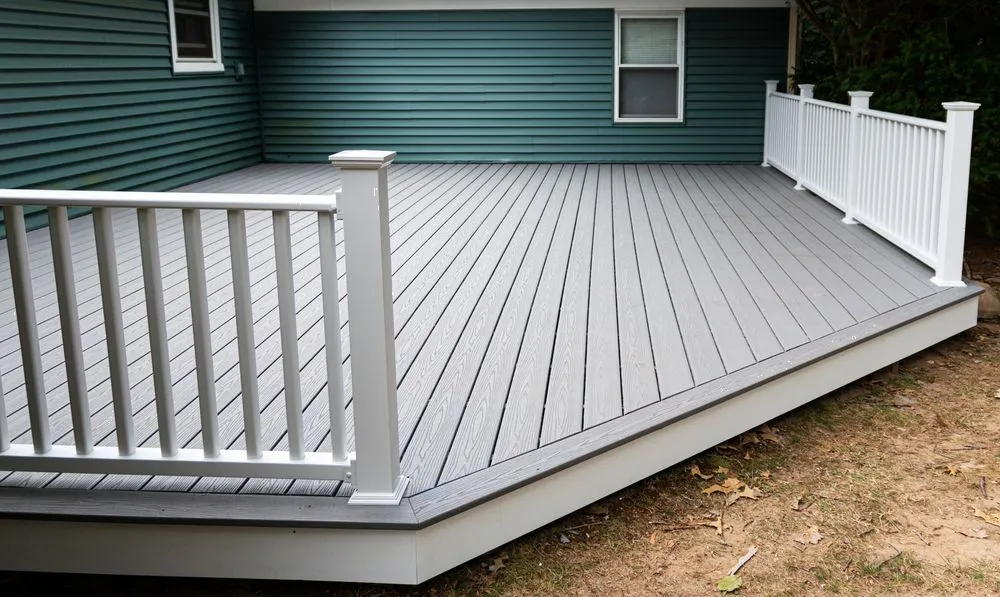
The key elements of quality deck building outdoors, and why each one matters:
What it is: Proper framing size, span, spacing, and fastener patterns based on loads and local codes.
Why it matters: A deck that’s “close enough” can sag, bounce, or fail early—especially with snow/people/live loads and temperature-driven movement.
What it is: Proper clearance from the ground, ventilation under the deck, and drainage that sheds water away from the structure.
Why it matters: Water is the #1 enemy of outdoor decks. Good ventilation and drainage dramatically reduce rot, mold, and fastener corrosion.
What it is: Using treated lumber or appropriate exterior-grade components, and pairing materials correctly (e.g., preventing corrosion from incompatible metals).
Why it matters: A deck is a system. If the framing, posts, rim joists, and fasteners aren’t compatible or rated for exterior exposure, you can get premature degradation.
What it is: Flashing, proper sealing where appropriate, and careful detailing around where water concentrates (ledger boards, post-to-beam connections, wall penetrations).
Why it matters: Most deck failures start at joints—areas where water gets trapped or wicks into wood and hardware.
What it is: Correct fastener type (rated), length, number, and spacing; installation that avoids splits and overdriving; use of hangers/connectors where needed.
Why it matters: Fasteners are what hold everything together. Poor fastening leads to looseness, squeaks, structural movement, and faster corrosion.
What it is: Deck boards chosen for your climate (pressure-treated vs composite vs hardwood), installed with appropriate gaps for expansion (especially for wood) or with correct substructure spacing (especially for composites).
Why it matters: Deck boards must expand/contract safely and resist cupping, twisting, and premature surface wear.
What it is: Sealing or protecting cut ends and drilling holes correctly, preventing water intrusion at the most vulnerable points.
Why it matters: End grain soaks up water quickly and accelerates rot if not properly protected.
What it is: Code-compliant railing height/spacings, strong post anchoring, and stair stringer/step construction.
Why it matters: Decks must be safe—rails and stairs take repeated loading and dynamic movement (people climbing, carrying items), so weak details are a major hazard.
What it is: Good board alignment, appropriate sanding/finish for wood (or correct composite profile), and traction-friendly surface choice.
Why it matters: Slippery decks and uneven boards create safety issues and reduce the deck’s lifespan and usability.
What it is: Designing so you can inspect the structure and replace components (fasteners, boards, handrail parts) without extreme disassembly.
Why it matters: Outdoor decks need maintenance—periodic cleaning, sealing/staining (for wood), and checking connections. If it’s hard to inspect, small problems turn into big ones.

Whether you’re planning a new deck or repairing an existing one, you deserve a custom-designed deck that perfectly complements the natural beauty of your property. Our decks are not only aesthetically pleasing, but built to last: we use pressure-treated lumber and composite materials to deliver truly durable results.
Our decks are built to meet rigorous seismic and safety standards, helping ensure a secure and attractive outdoor environment for your home. From structural repairs to the installation of stairs and railing systems, we handle every detail with precision and care, executing your vision to the highest quality standards.
Note that a Zoning Review will be required for all deck projects. Building Permits may also be required for some projects.
If you’re facing building challenges or looking to start a new project, the Karl Kardel Company is here to provide the solutions you need. Contact us today. Let’s work together to build your dream.
Repellat laborum.
Ut.
Non iste labore maxime ratione corporis dolore. Omnis et consequuntur necessitatibus soluta laudantium. Repellendus autem consequatur delectus dolor. Totam quod qui laboriosam ratione nostrum voluptatum. Distinctio omnis odit tempora vero dolores omnis. Quidem...
Atque.